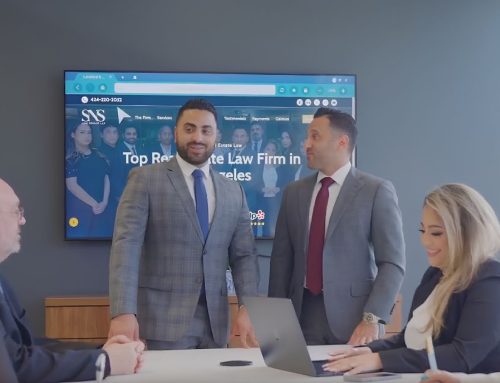

“This article explains why first-time Los Angeles homebuyers should hire a real estate attorney, covering CAR contract review, earnest money and contingency protection, LA-specific zoning and permit risks, and title and escrow oversight throughout closing.”
In the rush to secure a property, many first time buyers make a critical assumption. They believe their real estate agent can handle every legal nuance of the transaction. While a great agent is invaluable for finding a home and negotiating the price, they are transaction focused professionals, not legal experts. They cannot give legal advice, nor are they trained to litigate if a deal turns sour.
In Southern California’s high stakes market, Los Angeles real estate attorneys act as a buyer’s ultimate legal shield. Purchasing a home is likely the largest financial commitment of your life. Retaining an attorney ensures your earnest money remains safe, your title is pristine and you do not accidentally inherit a mountain of hidden legal liabilities.
The Standard CAR Form is Rarely Standard for a Beginner
When you’re ready to place an offer on a home in California, your agent will provide you with a lot of paperwork. The California Association of Realtors California Residential Purchase Agreement is the main form that governs almost all residential transactions in California. Because it is a standardized form, buyers tend to think that there is no need to read the entire document carefully.
However, the CAR form is actually a complex, legally binding contract that contains a lot of boilerplate language, checkboxes, and timelines. For a first-time buyer, reading through the fine print of a CAR form is very similar to reading a foreign language. A real estate attorney will help you understand the above-mentioned “jargon” in a way that is easy for you to comprehend, so that you fully understand what you’re signing before you sign it and are legally obligated to.
Furthermore, the competitive nature of the market frequently demands custom modifications to this standard contract. For example, sellers in tight markets often request a seller rent back agreement. This allows the seller to remain in the property for weeks or months after escrow closes while they find a new home.
Without an attorney drafting a custom addendum for this scenario, you could inadvertently become a landlord without a proper lease agreement. This leaves you vulnerable to eviction delays, property damage disputes and severe liability issues if the previous owner refuses to move out on time.
Guarding Your Deposit: Navigating LA’s Cutthroat Contingency Timelines
To show a seller you are acting in good faith, you must submit an Earnest Money Deposit (EMD) when your offer is accepted. This deposit is typically 3% of the purchase price. On a $900,000 starter home, that represents $27,000 of your hard earned savings.
The CAR contract protects this deposit through contingencies, which are clauses that allow you to walk away from the deal with your money if something goes wrong. Standard contingencies include financing, the home appraisal and physical property investigations. However, California operates on an active contingency removal system. This means contingencies do not just expire on their own; you must sign a formal document to waive them.
In LA’s competitive environment, buyers are routinely pressured by sellers to shorten or completely waive these contingency periods to make their offers stand out. This is a high wire act where one wrong step can cost you your entire deposit.
A real estate attorney closely monitors your contract’s exact legal deadlines. If your lender is slow to approve your mortgage, or if a home inspector uncovers a major defect, your attorney will ensure the proper legal notices are filed to protect your funds.
Additionally, they verify that the contract’s Liquidated Damages clause is correctly structured. This clause limits the seller’s financial recovery to your 3% deposit if you breach the contract, preventing them from suing you for additional damages if the deal collapses.
Uncovering LA Specific Property and Zoning Nightmares
Every real estate market has its quirks, but Los Angeles features a uniquely complex web of local municipal codes, historical designations and geological challenges. For an unassisted buyer, missing a local detail can lead to financial ruin.
Zoning and Permitting Messes
Los Angeles has a severe housing shortage, which has led to a massive rise in unpermitted additions and illegal garage conversions. You might fall in love with a property because it features a detached guest house or an Accessory Dwelling Unit that you plan to rent out to help pay your mortgage.
A real estate attorney will cross reference the property’s blueprints with records from the Los Angeles Department of Building and Safety (LADBS). If that ADU was built without proper city permits, you are inheriting a major legal liability. The city can force you to tear down the structure or pay tens of thousands of dollars to bring it up to code, destroying your financial calculus.
Historic and Structural Restrictions
If you are buying a character filled home in neighborhoods like Angelino Heights or Hancock Park, the property might fall within a Historical Preservation Overlay Zone (HPOZ). An attorney will alert you to the strict legal restrictions that come with an HPOZ home. Under these rules, you cannot alter the exterior of your house without intensive, time consuming city approvals.
Easements and Boundaries
In dense hillside areas like Echo Park, Silver Lake and the Hollywood Hills, property lines blur. Hiring a lawyer helps you find hidden easements like a neighbor’s driveway use or utility lines under your backyard deck base.
Your attorney will evaluate the Natural Hazard Disclosure statement with you. This assures you understand your legal and financial obligations for municipal laws like seismic and earthquake retrofitting for older Southern California structures.
Closing the Deal: Title Searches and Escrow Oversight
The final stretch of the homebuying process takes place in escrow. This is where an independent third party holds the funds and documents until all conditions of the sale are met. Even at this late stage, hidden legal hurdles can threaten to derail your purchase.
Escrow’s most important stage is examining the preliminary title report. To verify the seller’s ownership, a title search reveals the property’s legal history. This report is carefully reviewed by a real estate attorney to find title clouds, such as:
- Mechanic’s Liens: Unpaid contractors who worked on previous renovations and placed a legal claim against the house
- Tax Liens: Unpaid federal, state, or local property taxes owed by the seller
- Probate Disputes: Situations where a deceased owner’s heirs are fighting over the legality of the sale
Your attorney will require the seller to resolve these concerns before escrow closes to avoid inheriting debt. Lastly, your lawyer will examine closing disclosures and escrow instructions. An independent third party checks your closing costs for exploitative fees and ensures your loan terms reflect what your lender stated.
Investing in Peace of Mind
For first time homebuyers, hiring an attorney is not an admission of trouble or an unnecessary luxury. It is a proactive investment in your financial future. In a market as legally complex and financially demanding as Southern California, having an advocate who is loyal exclusively to your interests is invaluable. Before you sign on the dotted line of a purchase agreement, consulting with an experienced smartest move you can make to protect your money, your rights and your new home.