
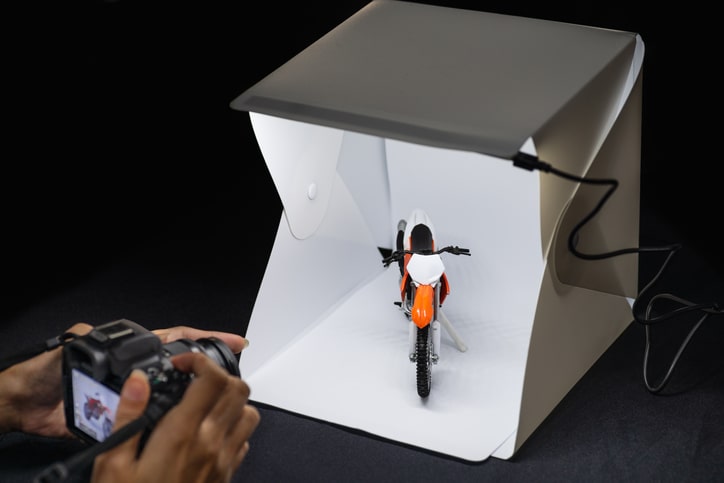
“This article explains how high quality product photography builds consumer trust by closing the digital tactile gap. It highlights the psychological impact of premium imagery on reducing perceived risk, lowering return rates and accelerating e commerce conversions to drive long term brand loyalty.”
In the digital marketplace, consumers must buy without touch, flavor or engagement. Because online customers cannot touch or try on items, their eyes must do all the work. This dependence on sight makes visual assets the most important aspect in quick believability. Pixelated, poorly lit, or generic stock photographs produce cognitive dissonance and subconscious warning bells for consumers. In contrast, quality visual storefront elements bridge this tactile gap and prove a brand’s authenticity. Professional product photography Los Angeles helps scaling e commerce firms stand out in hyper competitive digital markets by converting suspicious browsers into confident buyers.
The Psychology of Visual Trust
The human brain is naturally equipped to quickly analyze visual data, thus making unconscious conclusions before the person has read even a word of text. In e commerce, such phenomena can be explained by the Halo Effect. The Halo Effect is a psychological bias that indicates that the assessment of one feature of an object affects the overall impression regarding that object. When consumers see beautifully formed images of the product, their mind translates it into remarkable features of the product itself. The logic is simple if the company has made an effort to provide excellent images of the product, it must treat its production process equally well.
Conversely, cutting corners on imagery sends damaging signal. Low quality photos imply a low quality product, significantly increasing the consumer’s perceived risk. Online shopping entails the psychological burden of uncertainty that the item will not match the listing. Premium images decrease buyer concern and assure them the brand has nothing to conceal. Instead of sterile 3D renders, actual, real world photography adds humanity to the transaction, making the digital storefront feel safe and real.
The Anatomy of Trust Building Product Imagery
Trust-building product photography uses a smart mix of visual features to anticipate shopper questions. By showing superb craftsmanship in macro images and presenting products in realistic everyday contexts, businesses help shoppers picture ownership. These different images replace the physical trial when combined with accurate color fidelity to avoid incompatibilities and a consistent online catalog layout. This strong brand presentation eliminates buyer doubt and creates a safe, reliable buying environment.
Building visual trust requires more than just a sharp camera focus; it demands a strategic mix of asset types that answer a customer’s questions before they even have to ask them.
- Transparency fosters trust in macro and detail shots. A company shows its workmanship by zooming in on complex textures, sturdy stitching, heavy duty zippers or fine material grains with macro lenses
- Conceptual and Lifestyle Framing: White background photos display a product’s appearance, but lifestyle images illustrate its life. A designed setting helps buyers imagine an item in their regular activities, creating an emotional connection and relationship trust
- Rigorous Color Accuracy: mismatch between expectation and reality produces most problems. Professional lighting, color calibration and white balancing ensure screen representation matches delivery
- Catalog Consistency: is essential when shoppers scroll across collection pages. A cohesive visual framework with consistent shadows, a chosen color palette, and perfectly aligned horizons indicates a well established, organized, and solid corporate infrastructure, not a pop up shop
The Hidden ROI of Visual Excellence
While premium product photography requires an upfront investment, its long term return on investment directly impacts a brand’s bottom line health. First and foremost, high quality images directly accelerate e commerce conversion rates. When images clearly convey scale, function and quality, they remove friction from the checkout funnel, shortening the time spent debating a purchase.
Beyond initial acquisition, superior visual communication is an effective shield against high return rates. Accurate, multi angle imagery aligns customer expectations perfectly with physical reality, which drastically slashes the occurrences of buyer’s remorse and the heavy overhead costs associated with reverse logistics. Understanding how professional product photography increases ecommerce sales highlights its role in driving profitability across multiple channels. Furthermore, premium imagery triggers a compounding social proof loop. When customers receive an item that perfectly mirrors the beautiful imagery online, they are far more likely to share their unboxing experiences on social media platforms. This transforms paid commercial assets into organic, user generated trust signals that resonate with secondary audiences.
Conclusion
When it comes to experiences we engage with online, in the age of repeated drop shipped items and standardized digital shops, the only thing that can differentiate a brand is its authentic images. Nowadays, visual credibility is so important that e commerce newbies should not turn to luxury brands just yet. By treating product photography as the basis of a brand instead of a simple addition, the business saves on acquiring customers. It also involves conducting an audit of what a company has done so far and achieving the highest standard of visual quality.